This article picks up where The Origins of Databases left off and keeps zooming in on relational fundamentals. We refresh the DBMS purpose, trace the birth of SQL, and explain the modern syntax you need before putting your ideas into practice. These concepts link back to Relational Data Modeling and set up the planner lessons in SQL Index Performance.
Relational data models and the DBMS concept#
A DBMS keeps tables consistent, indexed, and queryable so you can treat them as sets of facts rather than scattered files. Each table models a subject (users, orders, products), columns capture attributes, rows store values, and relationships emerge when foreign keys reference primary keys elsewhere. Beyond storage, relational fundamentals cover constraints and transactions: primary keys guarantee uniqueness, foreign keys preserve referential integrity, and transactions bundle operations so the DBMS commits them only when every step succeeds.
SQL’s origin story#
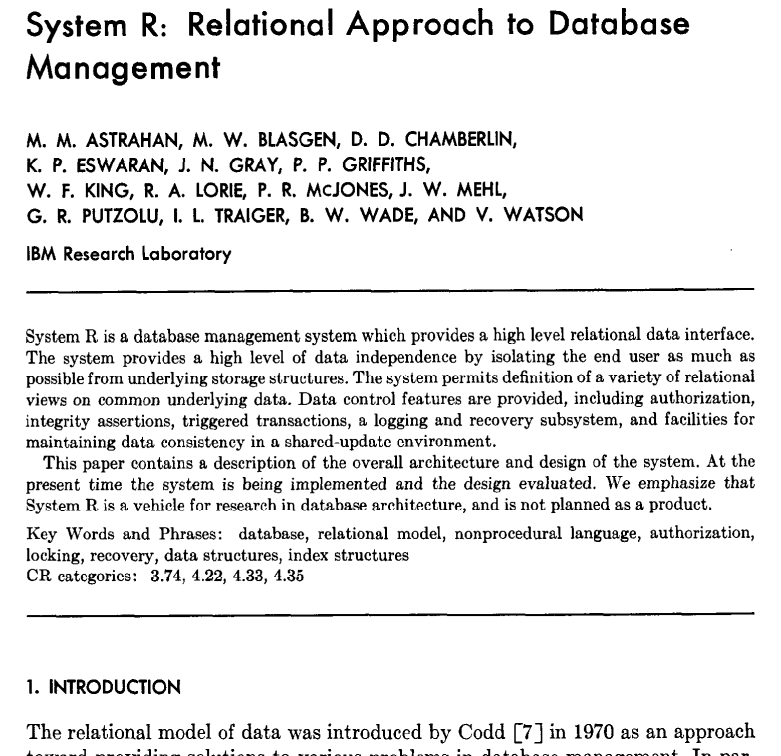
SQL, pronounced “Sequel,” was born inside IBM’s System R research project in the early 1970s as a declarative language for Codd’s relational model. Its ancestor, SQUARE, evolved into SEQUEL and, after a trademark dispute, became SQL; the declarative style made it easier to describe what you wanted rather than how to retrieve it. That history keeps SQL aligned with the relational algebra concepts covered in Relational Algebra Operations.
Standards and adoption#
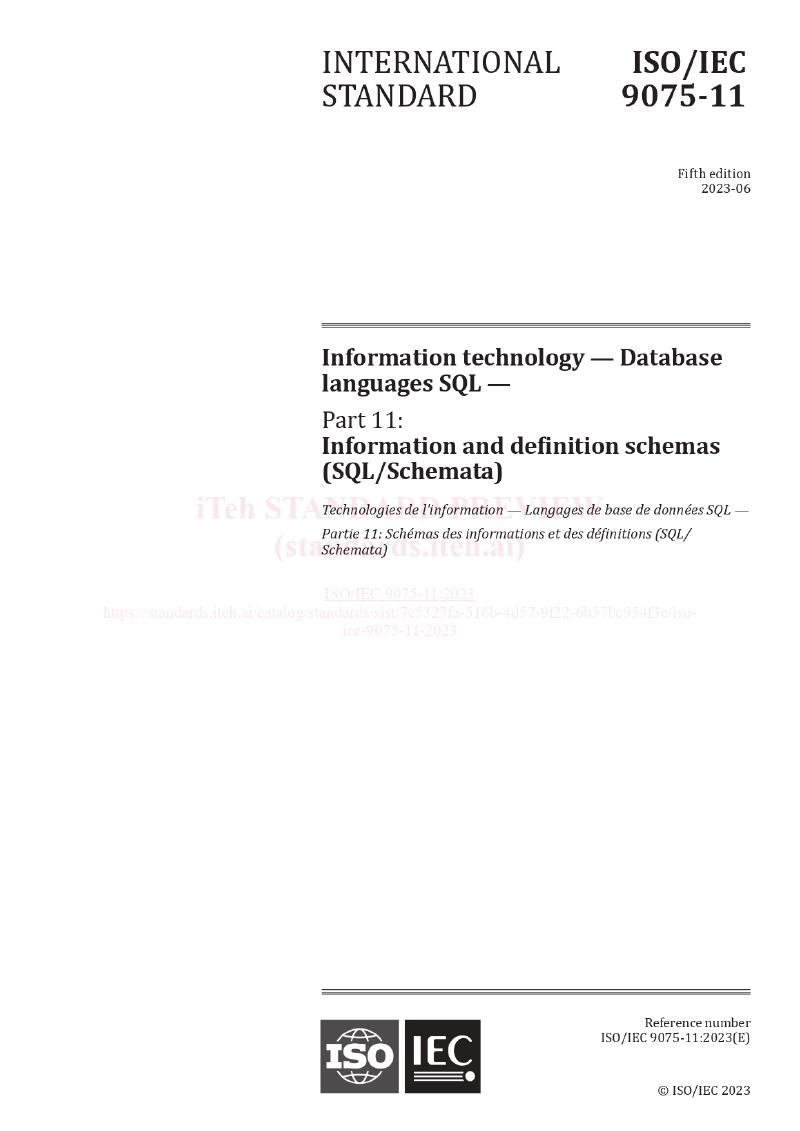
ANSI recognized SQL in 1986 and ISO followed in 1987, giving vendors a baseline grammar for tables, joins, and query constructs. SQL-92 became the compatibility floor for compliant DBMSs, while later editions such as SQL:2011 and SQL:2016 introduced temporal tables, pipeline DML, JSON handling, and other modern primitives. The current SQL:2023 release adds property graph querying and multidimensional arrays, reflecting the hybrid analytics workloads that teams now expect.
Feature highlights across editions#
- SQL:1999 introduced trigger procedures and recursive queries so you can embed conditional logic without leaving the declarative layer.
- SQL:2003 brought XML support, window functions, and sequences to improve analytics and identity generation.
- SQL:2008 clarified TRUNCATE semantics and ordering rules to reduce vendor surprises.
- SQL:2011 added temporal tables and pipeline DML for easier auditing and streaming updates.
- SQL:2016 introduced JSON functions and polymorphic table expressions so SQL can coexist with schemaless data.
- SQL:2023 surfaces property graph queries and array data types to address hybrid workloads that mix analytics with relationships.
SQL command families#
SQL groups statements into DML (data manipulation), DDL (schema definition), and DCL (security and transactions). DML handles SELECT, INSERT, UPDATE, and DELETE; DDL defines tables, indexes, and constraints; DCL controls permissions, role grants, and transaction boundaries. Picking the right family keeps reviews focused: schema changes usually require coordinated deployments, while simple DML scripts often run with less operational overhead.
Relational vocabulary refresher#
A table represents a relation, columns capture attributes, and rows (tuples) store values. The primary key enforces uniqueness, while the foreign key keeps references consistent. These concepts tie neatly back to Entity-Relationship diagrams and the ideas in Relational Algebra Cheat Sheet.
Syntax essentials#
SQL statements combine keywords, identifiers, and clauses. Identifiers name tables, columns, or constraints, and clauses such as WHERE, GROUP BY, or ORDER BY refine what the statement returns. For example:
SELECT product_id, AVG(stars) AS avg_rating
FROM reviews
GROUP BY product_id
ORDER BY product_id;
The query above groups reviews by product, computes the average rating, and orders the results so downstream processes see a deterministic sequence. Aliases (AS) keep expressions readable when you select computed columns.
Next steps#
With this SQL foundation, revisit Understanding DBMS architecture to see how the layers translate syntax into execution, and continue to SQL Index Performance to learn how the planner applies these constructs.